
Age of Wonders 4: The Ultimate Fantasy Strategy and Empire-Building Experience
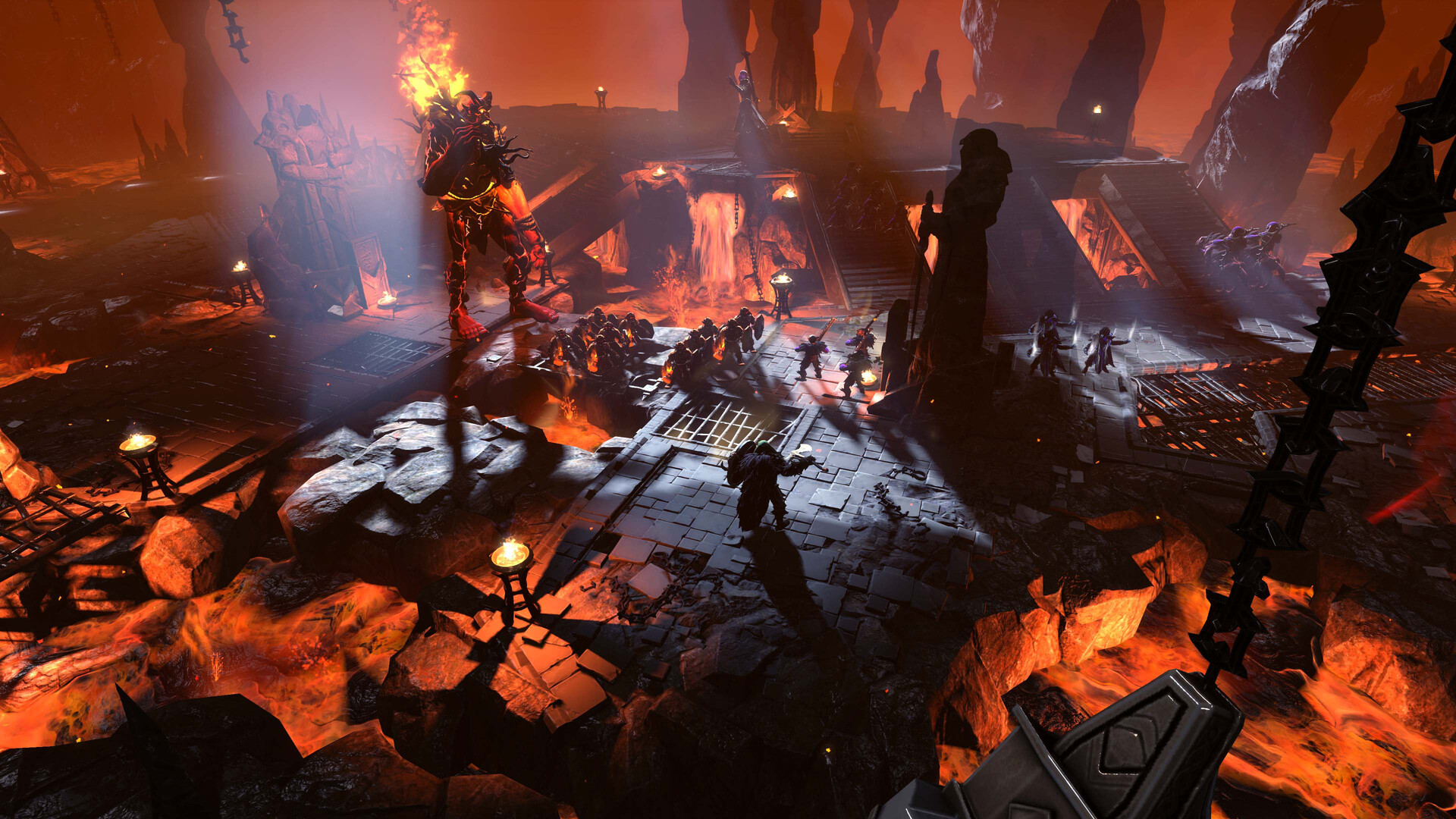
Age of Wonders 4 is a turn-based fantasy strategy game that combines empire building, tactical combat, exploration, and civilization development. Developed by Triumph Studios and published by Paradox Interactive, the game invites players to create their own fantasy rulers and lead civilizations across magical realms filled with ancient secrets, rival factions, powerful creatures, and supernatural forces.
Unlike strategy games that limit players to a selection of predefined nations, Age of Wonders 4 gives them considerable freedom to shape their own civilizations. Players can choose a ruler, establish a faction, select cultural characteristics, and develop magical affinities that influence how their empire grows. These decisions affect everything from military capabilities and research to diplomacy and the appearance of the civilization itself.
The game brings together two major styles of strategy. On the world map, players explore territories, expand settlements, gather resources, negotiate with other factions, and build an increasingly powerful empire. When armies encounter enemies, combat moves to a separate tactical battlefield where unit positioning, abilities, terrain, and spellcasting become essential.
This combination creates a fantasy strategy experience where every campaign can develop differently. Players can pursue military domination, magical advancement, diplomatic influence, or economic expansion while shaping a civilization that reflects their preferred approach to ruling.

Create Your Own Fantasy Civilization
One of the most distinctive features of Age of Wonders 4 is its civilization customization system. Rather than selecting a completely fixed faction, players can build a civilization by combining different traits, cultures, physical forms, and magical characteristics.
The process begins with choosing a ruler and deciding what kind of civilization they will lead. Players can select from different fantasy forms, including humans, elves, orcs, dwarves, and other imaginative beings. Each form contributes to the visual identity of the faction and helps establish its place in the fantasy world.
Culture is another important decision. Different cultures represent different approaches to society, warfare, and development. Some emphasize disciplined military organization, while others focus on nature, magical knowledge, or more unusual forms of civilization. These choices influence available units, bonuses, and strategic opportunities.
Players can also select society traits that represent the values and structure of their people. A civilization might prioritize expansion, knowledge, military strength, or other advantages that influence its development throughout the campaign.
The customization system makes faction creation more than a cosmetic activity. The choices made at the beginning affect how players approach exploration, economic growth, research, diplomacy, and warfare.
This freedom also encourages experimentation. A player can create a traditional fantasy kingdom in one campaign, then build a completely different civilization in the next. The possibilities make each new world feel like an opportunity to explore another combination of cultures, abilities, and strategic identities.
Explore Magical Realms and Discover Hidden Territories
The world map is central to the Age of Wonders 4 experience. Each campaign takes place in a fantasy realm containing unexplored territories, natural resources, ancient ruins, hostile creatures, independent settlements, and rival civilizations.
Exploration is essential during the early stages of a campaign. Players must send units across the map to discover nearby regions, locate valuable resources, and identify opportunities for expansion. The surrounding environment can influence which areas are worth developing and which threats should be approached carefully.
Different locations offer different rewards. Some territories contain resources that support economic growth, while others provide access to special structures, magical knowledge, or valuable strategic positions. Ancient wonders and ruins can also offer opportunities for powerful rewards, although exploring them may involve dangerous encounters.
The map is not simply a collection of empty spaces waiting to be conquered. It contains a variety of locations and encounters that gradually reveal the history and character of the realm.
As civilizations expand, the available space becomes increasingly contested. Rival rulers may establish cities near important resources, occupy valuable provinces, or attempt to control strategic routes. Players must therefore balance peaceful expansion with military preparation.
The exploration system gives campaigns a sense of discovery. Even experienced players can encounter different geographical layouts, magical locations, and strategic situations in each new realm.
Build Cities and Develop a Powerful Empire
Empire building is one of the main pillars of Age of Wonders 4. Players begin with limited territory and gradually transform their starting settlement into the center of a growing civilization.
Cities provide the economic foundation for expansion. They produce resources, support population growth, unlock buildings, and contribute to the development of military forces. Managing these settlements effectively is essential because the strength of an empire depends on more than the size of its armies.
As cities grow, players can expand into surrounding provinces and develop specialized infrastructure. Different improvements support different aspects of the economy, allowing settlements to contribute through food production, industry, research, or other forms of development.
Territory management creates important strategic decisions. Players must consider which provinces offer the most useful resources, how to distribute economic development, and where to establish additional cities. Expanding too quickly can create pressure on available resources, while remaining too passive may allow rival factions to control valuable areas.
City development also connects directly to long-term military strength. A well-managed economy makes it easier to recruit units, maintain armies, construct defensive structures, and support future campaigns.
The satisfaction of empire building comes from watching a small settlement become part of a larger network of developed cities and controlled territories. Every improvement contributes to the wider objective of creating a civilization capable of competing with the most powerful rulers in the realm.
Tactical Turn-Based Combat
Combat in Age of Wonders 4 takes place on separate tactical battlefields, giving players direct control over how their armies engage enemy forces. Instead of resolving every encounter through a single numerical calculation, the game allows players to position units, select targets, use abilities, and respond to changing battlefield conditions.
Unit placement is particularly important. Different troops have different strengths, weaknesses, and roles. Frontline units can protect more vulnerable forces, ranged attackers can deal damage from a distance, and specialized units can use unique abilities to disrupt enemy formations.
The battlefield also introduces tactical considerations. Positioning, movement, attack range, and terrain can influence the outcome of an encounter. A poorly positioned army may struggle against an opponent with fewer units but a stronger formation.
Combat is turn-based, so players have time to evaluate the situation before committing to an action. Each decision can affect the next stage of the battle, especially when dealing with units that possess powerful abilities or unusual attack patterns.
Magic adds another layer to tactical encounters. Spells can damage enemies, strengthen allies, weaken opposing forces, or change the conditions of a battle. Combining spellcasting with unit abilities creates opportunities for more complex strategies.
The tactical combat system rewards players who understand their army composition and recognize the strengths of individual units. Victory is not determined solely by having the largest force. Good positioning, effective combinations, and careful ability usage can make a significant difference.
Magic, Research, and Powerful Spells
Magic is deeply integrated into the world of Age of Wonders 4. It influences civilization development, military strategy, ruler progression, and the transformation of the fantasy realm itself.
The game's research system allows players to unlock new spells, abilities, improvements, and units as their civilization develops. Knowledge becomes an important resource because it provides access to options that can reshape the direction of a campaign.
Players can explore different magical affinities, including nature, order, chaos, shadow, and other supernatural forces. Each affinity represents a different magical approach and provides access to related abilities and strategic advantages.
The combination of magical research and civilization customization creates considerable flexibility. A faction focused on nature might develop a different collection of spells and units from one that emphasizes destructive magic or shadow-based powers.
Spells are useful both on the world map and during combat. Some can influence armies or territories, while others provide direct battlefield effects. This means magical development can affect decisions at multiple levels of the game.
Players must also consider how to allocate research. Pursuing one set of magical abilities may provide immediate advantages, while investing in another could unlock more valuable opportunities later. Choosing the right research direction is part of building a coherent long-term strategy.
Magic therefore functions as much more than a visual feature. It is one of the systems that determines how a civilization develops and how effectively it can compete against other powers.

Rulers, Heroes, and Army Composition
Powerful rulers and heroes play an important role in Age of Wonders 4. They are more than representatives of a civilization because they can participate directly in battles, develop new abilities, and become central figures in the player's military strategy.
Heroes can lead armies, support allied units, and contribute through specialized skills. As they gain experience, players can develop their abilities to suit particular combat roles. Some may become effective frontline fighters, while others can provide magical support or strengthen the units under their command.
Army composition is equally important. Players have access to different types of units, each with distinct characteristics and battlefield roles. Basic troops can form the foundation of an army, while specialized creatures and magical units provide additional capabilities.
The challenge is finding combinations that work well together. A force consisting entirely of powerful damage dealers may struggle without defensive support. Likewise, an army with strong protection may lack the offensive strength needed to defeat difficult opponents.
Heroes can help organize these forces into more effective groups. Their abilities and equipment can complement the strengths of the units they command, making army development an important part of long-term progression.
As campaigns advance, players can recruit more specialized forces and experiment with different formations. This creates a rewarding progression from relatively simple armies to complex military forces capable of challenging major rival civilizations.
Diplomacy, Alliances, and Rival Kingdoms
Age of Wonders 4 is not exclusively about conquering every opponent through warfare. Diplomacy gives players alternative ways to interact with other civilizations and influence the balance of power.
Other rulers have their own territories, ambitions, and relationships. Some may become useful allies, while others can develop into dangerous rivals. The diplomatic environment changes as empires expand and their interests begin to overlap.
Players can negotiate agreements, improve relationships, establish alliances, and pursue different forms of cooperation. These interactions can help create a more secure position without requiring constant military expansion.
Diplomacy also introduces strategic considerations. A powerful rival may be easier to manage through an alliance than through direct conflict, particularly when fighting on multiple fronts would place pressure on the player's economy and military resources.
However, peaceful relations are not always permanent. Changing territorial interests and competing objectives can create new tensions. Players must decide when cooperation remains beneficial and when military action becomes necessary.
The diplomatic system adds variety to the campaign because different civilizations can pursue different approaches to power. Some players may prefer a network of friendly kingdoms, while others may use diplomacy to isolate rivals before launching an invasion.
This flexibility helps make empire management feel more dynamic. A successful ruler must understand not only how to develop their own civilization but also how to respond to the ambitions of others.
Transform Your Civilization Through Tome Progression
Tomes of Magic are among the most important progression systems in Age of Wonders 4. They represent different areas of magical knowledge and allow players to shape the direction of their civilization as a campaign develops.
Each tome provides access to a collection of spells, abilities, improvements, and other benefits connected to a particular magical theme. Some focus on strengthening armies, while others emphasize economic development, nature, destruction, or supernatural transformations.
Players select tomes as they progress through the game, gradually creating a magical identity for their civilization. The choices influence the types of abilities and strategic options available later in the campaign.
This system provides considerable freedom because players are not locked into a single magical direction from the beginning. They can develop their civilization according to the challenges they encounter and the strategy they want to pursue.
One particularly interesting aspect is the ability to transform the physical forms of units. Through certain magical developments, a civilization can acquire unusual traits that change the appearance and capabilities of its population.
These transformations reinforce the game's central customization philosophy. A faction can begin with a relatively familiar fantasy identity and gradually become something much more unusual as its magical development progresses.
Tome progression is therefore both a strategic system and a form of worldbuilding. It gives each civilization a distinct direction and helps campaigns develop their own identity.
The Throne City and the Path to Victory
Every civilization has a central seat of power, represented by its throne city. This settlement is especially important because it represents the political and strategic heart of the empire.
Protecting the throne city is an important responsibility. Losing control of critical territory can create serious problems for a civilization, while maintaining a strong central position provides stability as the empire expands.
Age of Wonders 4 offers several ways to achieve victory, allowing players to pursue different objectives rather than relying exclusively on military conquest. The available victory paths include military domination, expansion through magical and territorial influence, and research-based progression.
Military victory focuses on defeating rival powers and establishing dominance through force. This approach rewards players who invest heavily in armies, strategic positioning, and battlefield tactics.
Expansion-oriented victory encourages players to develop their empire and establish influence across the realm. Economic growth, territorial control, and careful city management become particularly important.
Magic victory places greater emphasis on magical development and the completion of specific objectives connected to the player's chosen path. This creates an alternative route for civilizations that prioritize research and supernatural power.
The variety of victory conditions makes each campaign more flexible. Players can pursue objectives that match their civilization's strengths, while also adapting when rival kingdoms threaten their plans.

Replayability and the Appeal of Endless Fantasy Campaigns
Replayability is one of the strongest aspects of Age of Wonders 4. Its combination of procedural realm generation, faction customization, magical progression, and different victory conditions creates a wide range of possible campaigns.
A new game can begin with a different map, different neighboring civilizations, and a different collection of strategic opportunities. Even when players choose a familiar culture or ruler style, the surrounding circumstances can encourage new decisions.
Faction customization adds another layer of variety. Players can experiment with different combinations of forms, cultures, society traits, and magical affinities. These choices can produce civilizations with very different strengths and weaknesses.
The game also supports different playstyles. Some campaigns can focus on rapid expansion and military pressure, while others may emphasize economic development, diplomacy, or magical research. Players can explore these approaches without needing to follow a single predetermined strategy.
The ability to create unusual fantasy civilizations is particularly appealing for players who enjoy worldbuilding. A campaign can feel like the story of a unique kingdom rather than another attempt to control a standard predefined faction.
For strategy fans, this creates strong long-term value. Each new realm offers another opportunity to test a different civilization, develop a new magical direction, and discover how a different set of strategic decisions changes the outcome.
Conclusion
Age of Wonders 4 delivers a rich turn-based fantasy strategy experience built around civilization creation, empire management, tactical combat, magic, and exploration. Its greatest strength is the freedom it gives players to shape both their civilization and the way they pursue power.
From designing a unique fantasy faction to expanding cities, commanding armies, researching magical abilities, and negotiating with rival rulers, every major system contributes to the development of a personalized empire. Tactical battles provide detailed military challenges, while the world map creates opportunities for exploration, diplomacy, and territorial expansion.
The combination of customizable civilizations and flexible victory paths makes each campaign feel different. Players can build a traditional fantasy kingdom, create an unusual magical society, or pursue a strategy based on military strength and territorial control.
For fans of turn-based strategy and fantasy worldbuilding, Age of Wonders 4 offers an engaging sandbox where every decision can influence the rise of an empire. It is a game about creating a civilization, shaping its destiny, and becoming a powerful force in a world of magic and endless possibilities.