Hades Lore: The Olympian Family Feud Explored
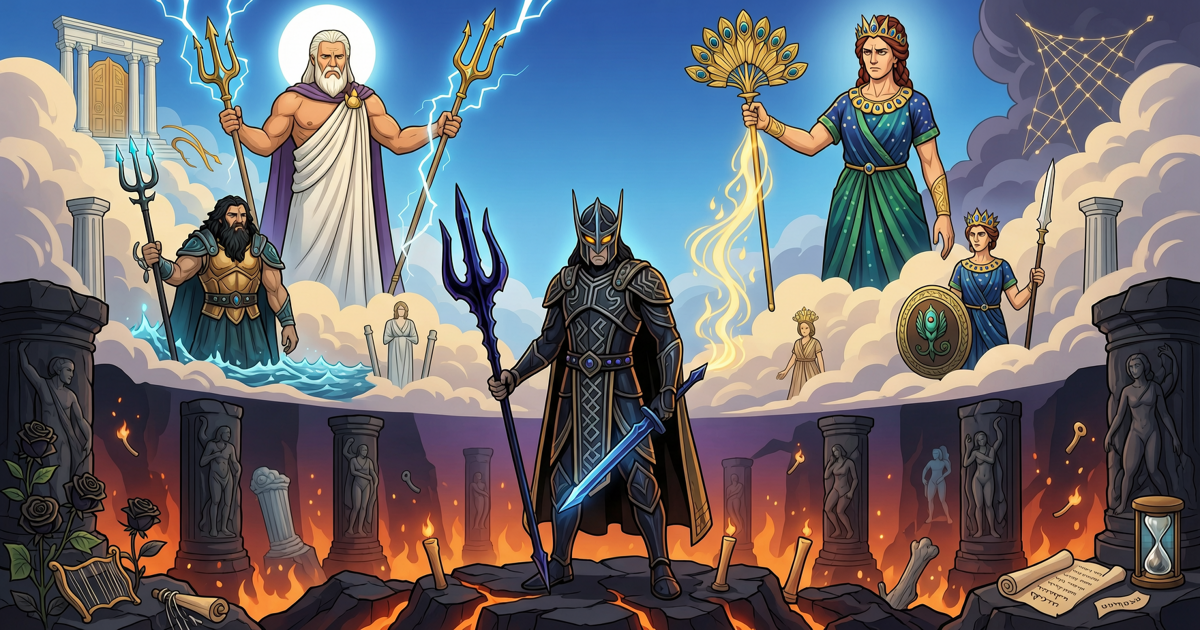
The House of Hades: A Family Divided

At the heart of Hades is a deeply personal story about a dysfunctional divine family. Unlike many Greek myths, Supergiant Games weaves a narrative that focuses on the emotional scars left by betrayal, neglect, and the struggle for freedom. The game's protagonist, Zagreus, is the son of Hades and Persephone, but his relationship with his father is anything but paternal.
The Fall of Persephone
Persephone, the goddess of spring, originally lived with her mother Demeter on the surface. Hades, the god of the Underworld, fell in love with her and, with Zeus's complicity, tricked her into eating a pomegranate seed, binding her to the Underworld for part of each year. In Hades, this myth is reimagined: Persephone left the Underworld out of grief after Hades became cold and distant following Zagreus's birth. She fled to the surface, leaving Zagreus to be raised by Hades, Nyx, and the other denizens of the House.
Hades: The Tyrant Father
Hades is portrayed not as a one-dimensional villain but as a stern, duty-bound ruler who suppresses his emotions. His relationship with Zagreus is strained; he refuses to acknowledge Zagreus's quest to escape because it disrupts the order of the Underworld. Yet, as players progress, they uncover Hades's own wounds: he feels betrayed by Zeus, who manipulates him, and he carries the weight of ruling a realm that others despise. His famous line, "I will not be made a fool of in my own house", reveals his desperation to maintain control.
Zeus and the Olympian Conspiracy
Zeus, the king of the gods, appears as a meddler who uses Zagreus for his own amusement. He and the other Olympians grant Zagreus boons, but their motives are selfish—they want to undermine Hades's authority. Zeus's betrayal is central: he helped Hades kidnap Persephone, then later revealed the truth to Zagreus to stoke rebellion. The game's lore portrays Olympians as capricious and manipulative, contrasting with the more honest, if harsh, Underworld characters.
Tragic Figures: Nyx, Thanatos, and Megara
Nyx, the primordial goddess of night, secretly raised Zagreus and acts as a mother figure. She knows the truth about Persephone but remains loyal to Hades. Thanatos, death incarnate, is Zagreus's foster brother and harbors jealousy over Zagreus's attention from Nyx. Megara, a former lover of Zagreus, now works for Hades out of a sense of duty, her own tragic backstory involving a failed rebellion. Each character's dialogue and side quests reveal layers of pain and longing.
The Core of the Story: Zagreus's Search for Identity
Ultimately, Hades is about Zagreus's journey to find his mother and understand himself. Every escape attempt peels back another layer of family secrets. The Persephone's reconciliation at the surface, where she chooses to return to the Underworld on her own terms, is a poignant resolution. The game's ending emphasizes that family bonds, however broken, can heal through understanding and sacrifice.
By exploring these myths through a modern lens, Hades transforms ancient gods into relatable characters trapped by their own pasts. The lore isn't just background—it's the emotional engine that drives players to fight through hell again and again.