
Drawquarium: The Complete Guide to Creative Aquarium Building, Fish Collection, and Underwater Design
INTRODUCTION
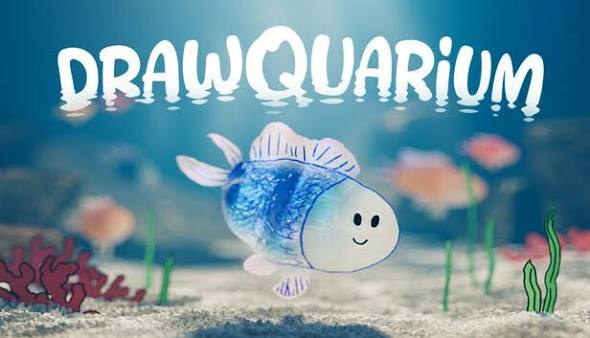
Drawquarium brings creativity and aquarium management together in an underwater experience where imagination plays an important role. Instead of simply collecting aquatic creatures, players can focus on designing attractive environments, arranging decorations, and creating an aquarium that reflects their personal style.
The most enjoyable way to approach an aquarium-building game is to balance visual creativity with thoughtful organization. Fish, decorations, colors, and available space all contribute to the final result. A well-designed aquarium should look appealing while giving every element enough room to stand out.
This guide explores practical strategies for building better aquariums, organizing fish collections, experimenting with decorations, developing a consistent design style, and making steady progress. Whether you prefer colorful underwater environments or carefully arranged aquatic displays, these tips can help you create a more memorable aquarium.
1. UNDERSTAND THE CORE GAMEPLAY
Before investing time in a complicated aquarium design, become familiar with the main gameplay systems. Understand how aquarium creation works, how available objects can be placed, and what options are provided for customizing your underwater environment.
Start with the basic controls and experiment with moving, positioning, and arranging objects. Learning how the building interface works will save time when you begin creating larger designs. It is also useful to understand whether objects can be rotated, resized, repositioned, or removed.
Useful beginner habits include:
- Explore the available aquarium customization options.
- Learn how to place and move objects.
- Experiment with different decorative elements.
- Understand how fish and aquarium features are organized.
- Save or preserve designs when the game provides that option.
2. PLAN YOUR AQUARIUM BEFORE DECORATING
One of the biggest mistakes in aquarium design is placing decorations randomly. Individual objects may look attractive, but combining too many different elements can make the entire aquarium feel crowded. Planning the layout before decorating helps create a more balanced environment.
Begin by choosing a central theme. You might prefer a colorful tropical aquarium, a peaceful underwater garden, a mysterious deep-sea environment, or a minimalist aquatic display. Once you have selected a direction, choose decorations and colors that support that concept.
Consider dividing the aquarium into visual sections. A central area can become the main attraction, while smaller decorations provide detail around the edges. This creates depth and prevents every object from competing for attention.
Helpful planning steps include:
- Choose a visual theme.
- Identify the main focal point.
- Leave enough open space around important objects.
- Select decorations that complement each other.
- Avoid filling every available area immediately.
3. CREATE A BALANCED UNDERWATER ENVIRONMENT
A beautiful aquarium needs visual balance. Large decorations can provide structure, while smaller objects create detail. If every decoration has the same size and visual importance, the environment may appear flat or repetitive.
Try combining different shapes and heights. Rocks, plants, coral-inspired objects, and other aquatic decorations can create a more natural-looking composition. Place larger elements where they provide structure, then use smaller decorations to connect different sections.
Color selection also matters. Too many bright colors can make an aquarium visually overwhelming. Instead, choose a small group of complementary colors and use contrasting accents to highlight specific areas.
Design techniques to try:
- Combine large and small decorative objects.
- Use different heights to create visual depth.
- Avoid placing every decoration in the center.
- Create contrast between the background and foreground.
- Leave open areas to make the aquarium easier to appreciate.
4. ORGANIZE YOUR FISH COLLECTION
Fish are often the main attraction of an aquarium. Their colors, shapes, and movement can completely change the atmosphere of a design. Instead of adding every available fish immediately, think about how different aquatic creatures contribute to the overall appearance.
Consider organizing your collection around a theme. A colorful aquarium can feature creatures with contrasting colors, while a peaceful design might use softer tones. You can also create separate visual areas for different types of fish when the game allows multiple aquarium sections.
Pay attention to the available collection and placement systems. If the game provides information about fish requirements, compatibility, or preferred environments, use that information before making changes. Avoid assuming that every fish can share the same conditions.
Collection strategies include:
- Organize fish by appearance or theme.
- Highlight unique creatures in important areas.
- Avoid overcrowding the visual layout.
- Learn the available fish information.
- Build your collection gradually.
5. EXPERIMENT WITH COLORS AND AQUARIUM THEMES
Color is one of the most powerful tools in aquarium design. It influences the atmosphere, determines which objects attract attention, and helps create a recognizable visual identity.
Start with a primary color and build the rest of the aquarium around it. Blue and turquoise can create a calm underwater appearance, while brighter colors can make the environment feel energetic and playful. Natural-looking designs can use softer combinations of green, blue, and earthy tones.
Do not be afraid to experiment with unusual combinations. A creative aquarium does not always need to imitate a real underwater habitat. The goal may simply be to create an attractive environment that feels unique.
Theme ideas include:
- Tropical Paradise: Bright colors and lively decorations.
- Deep Ocean: Darker tones and mysterious underwater details.
- Coral Garden: Colorful structures and decorative plants.
- Fantasy Aquarium: Imaginative combinations and unusual layouts.
- Minimalist Tank: Simple decorations with plenty of open space.
6. USE DECORATIONS TO CREATE DEPTH
Decorations should do more than fill empty space. They can guide attention, create visual layers, and make an aquarium feel more detailed. A strong layout often combines foreground, middle-ground, and background elements.
Place larger objects toward the background when appropriate, then use smaller decorations to add detail closer to the viewer. This arrangement can make the aquarium appear deeper and prevent important objects from hiding behind one another.
Experiment with different combinations instead of repeating the same decoration throughout the entire environment. Repetition can work when it supports a theme, but excessive repetition may make the design look unfinished.
Useful decoration techniques include:
- Create separate visual layers.
- Use larger objects to establish structure.
- Add smaller details around focal points.
- Avoid blocking important fish or decorations.
- Keep some areas intentionally simple.
7. DEVELOP A UNIQUE AQUARIUM DESIGN STYLE
Once you understand the basic building process, start developing a recognizable personal style. Some players prefer realistic underwater environments, while others enjoy imaginative designs with unusual colors and creative arrangements.
Choose a few design elements that you enjoy using consistently. These might include particular color combinations, decorative patterns, or a preference for open spaces. Repeating certain elements across different aquariums can help create a recognizable style without making every design identical.
You can also challenge yourself by designing an aquarium around a specific idea. For example, create an environment inspired by a tropical island, a mysterious underwater cave, or a magical aquatic garden.
Creative challenges to try:
- Build an aquarium using only a limited color palette.
- Create a design inspired by a real underwater habitat.
- Use a single decorative object as the main focal point.
- Create a symmetrical aquarium layout.
- Design an aquarium with an unusual fantasy theme.
8. IMPROVE YOUR DESIGN THROUGH EXPERIMENTATION
Your first aquarium design does not need to be perfect. In fact, experimenting with different layouts is one of the best ways to discover what works. Move decorations, test different arrangements, and compare how the aquarium looks from different perspectives.
When a design feels crowded, remove a few objects instead of immediately adding more. When the aquarium looks empty, identify which area needs additional detail rather than filling the entire environment randomly.
Try changing one major design element at a time. If you modify the colors, decorations, fish arrangement, and layout simultaneously, it becomes difficult to understand which change improved the result.
A useful improvement process is:
- Build a simple initial layout.
- Identify the weakest-looking area.
- Adjust one design element.
- Compare the result with the previous layout.
- Remove unnecessary decorations.
- Continue refining the overall composition.
9. AVOID COMMON AQUARIUM DESIGN MISTAKES
Even a large collection of decorations cannot guarantee a beautiful aquarium. Poor placement, excessive visual clutter, and inconsistent themes can make a design less attractive. Learning to recognize these problems is just as important as discovering new creative techniques.
The most common mistake is trying to use everything at once. Players may feel that every available decoration should be included, but a more selective design often looks better. Each object should contribute to the overall environment rather than simply occupy space.
Another mistake is ignoring the relationship between fish and decorations. Important creatures may become difficult to notice when surrounded by too many large objects or competing colors. Give the main attractions enough visual space.
Common mistakes to avoid:
- Adding too many decorations.
- Mixing unrelated themes without a clear concept.
- Using too many competing colors.
- Hiding important fish behind large objects.
- Repeating identical arrangements everywhere.
- Changing too many design elements at once.
10. CREATE LONG-TERM GOALS FOR YOUR AQUARIUM
Once you have completed your first designs, establish new creative goals. Working toward a specific project gives you a reason to continue exploring the available customization options and experimenting with different combinations.
Instead of treating aquarium building as a single task, approach it as a collection of smaller projects. You could create several aquariums with different themes, develop a complete collection, or challenge yourself to build increasingly detailed environments.
Set achievable objectives and expand them gradually. Completing a small aquarium can provide a foundation for a much larger design. As you become more familiar with the available tools and decorations, you can attempt more ambitious layouts.
Long-term creative goals include:
- Complete several different aquarium themes.
- Experiment with new decoration combinations.
- Create a signature aquarium design.
- Organize fish collections by appearance.
- Improve older aquarium layouts.
- Build a visually consistent collection of environments.
CONCLUSION
Drawquarium offers an opportunity to combine creativity, collection, and underwater design. Building an attractive aquarium is not simply about adding as many fish and decorations as possible. It requires thoughtful planning, balanced colors, effective object placement, and a clear visual direction.
The best results often come from experimentation. Start with a simple concept, develop the layout gradually, and refine individual details until every element contributes to the overall design. By exploring different themes, organizing your collection, and avoiding unnecessary clutter, you can create aquariums that feel more personal and visually impressive.
The most important thing is to enjoy the creative process. Every aquarium can become a new project, and every new design gives you an opportunity to experiment with different ideas and discover your own underwater style.
DESIGNER CHECKLIST
- I have selected a clear aquarium theme.
- My decorations complement the overall color palette.
- Important fish remain visible.
- The layout has enough open space.
- Decorations create visual depth.
- The aquarium does not feel overcrowded.
- Every major object has a purpose.
- I have experimented with different arrangements.
- My design has a recognizable visual identity.
- I have a new aquarium project to complete.