.webp)

Introduction
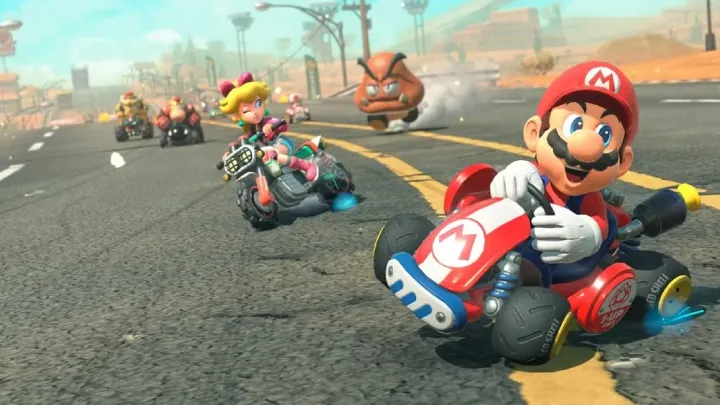
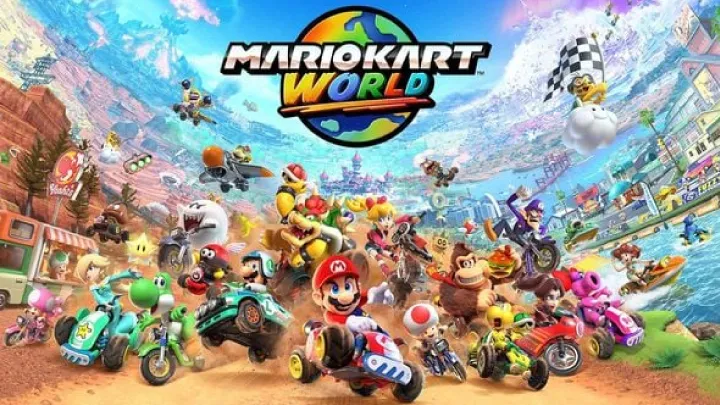
"Mario Kart World" is more than just a fun racing game; it is a rich tapestry of competition, community, and chaos, where players from around the globe come together to race their favorite Nintendo characters. Over the years, this beloved franchise has evolved significantly, introducing innovative mechanics, new tracks, and, importantly, balancing elements of skill and luck. While many players enjoy the thrill of competing against friends and family, the inherent balance between skill and luck within the game's mechanics has sparked discussions among players and communities alike. This article will explore the nuanced dynamics of competition in "Mario Kart World," examining how the blend of skill and luck shapes player experiences, influences strategies, and drives the meta-game within the vibrant racing community.
The Foundation of Competition: Skill vs. Luck
Understanding Skill in Mario Kart World
At its core, "Mario Kart World" rewards players for honing their skills in various aspects of racing. Mastering the game's mechanics—such as drifting, item usage, and track memorization—is crucial for achieving success. Good players know how to maximize their character's abilities, navigate complex courses, and anticipate opponents' moves. This emphasis on skill fosters satisfaction when players experience improvement and achieve racing victories.
The Role of Luck
However, "Mario Kart World" is equally known for its unpredictable elements, introducing a layer of luck that can greatly alter the outcome of races. Power-ups, randomized item boxes, and specific track hazards can shift the trajectory of a race in an instant. In this sense, "Mario Kart World" becomes a double-edged sword; while players seek to improve their skills, they also must contend with the chaotic nature of luck that pervades every race. This combination of skill and luck creates a unique racing experience, appealing to both casual and competitive players.
The Influence of Itemization on Competition
Power-Ups: A Game-Changer
One of the most defining features of "Mario Kart World" is its item system. During races, players collect power-ups that can be used strategically against their opponents. Items such as blue shells, bananas, and mushrooms can drastically influence the race, offering players the opportunity to turn the tides in their favor, irrespective of their previous performance.
Strategic Item Management
Players who excel at "Mario Kart World" often develop an understanding of when and how to deploy items effectively. Timing becomes vital—using an item at the right moment can mean the difference between victory and defeat. Players will have to evaluate their and their opponents' positions while determining whether to hold onto a powerful item for defense or use it offensively. This strategy combines skill in racing with strategic thinking, creating a layered competitive environment.
Competitive Dynamics: Player Interaction
The Social Aspect of Racing
"Mario Kart World" thrives on its multiplayer capabilities, bringing people together through competitive racing. Whether in local multiplayer or online modes, racing against human opponents creates a dynamic social environment where players must read each other's strategies, adapt to their driving styles, and employ tactics accordingly.
Psychological Warfare
The competition is further heightened by the psychological element of racing. Players can use items like shells to attack other racers, but they must also anticipate potential counterattacks. Engaging in psychological tactics—such as feigning a wider turn to misdirect opponents—can also add depth to the racing experience. Ultimately, the psychological dynamics enhance the overall competitiveness, pushing players to cultivate their skills both behind the wheel and in the minds of their adversaries.
The Meta-Game: Evolving Strategies
Shifting Strategies with Updates
As with any competitive game, "Mario Kart World" is subject to changes and updates that can shift the dynamics of gameplay. Nintendo periodically releases balance patches that influence character abilities, track designs, and item mechanics, forcing players to adapt their strategies. The dynamic landscape of the game keeps players engaged and constantly evolving in their approach to racing.
Community Influence
The community plays a crucial role in shaping the meta-game, with players sharing tips and strategies that can lead to adapted techniques. The rise of online forums, streamers, and YouTube videos allows players to learn from the collective experience of the community, thus aligning their skills with the current meta situation. This interconnected nature fosters a culture of growth and competitiveness, as players strive to climb the rankings by integrating new tactics into their gameplay.
Skill-Based Competitions: Tournaments and Events
The Rise of Competitive Play
With "Mario Kart World" being embraced by the esports community, competitive tournaments have become commonplace. Events like the Mario Kart World Championship have elevated the level of competition significantly, showcasing players who have mastered both the skill and strategic elements of the game. The stakes in these tournaments generate intense moments filled with excitement and unpredictability.
Balancing Skill and Luck in Tournaments
Tournaments provide a unique lens through which to view the balance between skill and luck. While top competitors consistently demonstrate high levels of racing proficiency, they still encounter the unpredictable nature of luck during critical moments. A single blue shell or lightning bolt can alter the outcome, ensuring that even skilled racers remain susceptible to the whims of luck. This aspect keeps tournaments thrilling, as even the best players must remain vigilant and adaptable throughout each race.
Community and Competition: The Social Fabric
Building Relationships
The competitive nature of "Mario Kart World" cultivates a vibrant community of players united by their love for racing. Players often form friendships through in-game interactions, fostering connections and collaborations that enhance their experience. Engaging with a community—whether through online matchmaking, local meetups, or competitive tournaments—adds emotional depth to the competitive landscape.
Friendly Rivalries
The game's competitive environment naturally sparks friendly rivalries, encouraging players to push their limits. Sharing victories, defeats, and strategies becomes part of the communal experience. Rivalries drive players to improve their skills, set personal goals, and take pride in overcoming challenges, reinforcing the notion that while competition can be intense, it often leads to lasting friendships.
The Impact of Updates and DLC
Continuous Evolution of Gameplay
Nintendo's approach to "Mario Kart World" has been characterized by regular updates and downloadable content (DLC) that enhance the game's longevity. New tracks, characters, and items infuse fresh experiences, ensuring that the game retains its excitement and appeal. These updates also create opportunities for players to adapt their strategies, reshaping the competitive landscape with each release.
Introduction of New Elements
DLC not only extends gameplay but also introduces new competitive dimensions. The arrival of new characters can change race dynamics, forcing players to adapt their approaches when competing against unfamiliar abilities. This constant evolution keeps the competition vibrant and challenges players to broaden their skill sets while navigating new challenges.
The Future of Mario Kart World
Looking Ahead: Next Generations
As "Mario Kart World" continues to grow and evolve, the future holds significant promise. With technology advancing, potential enhancements could lead to even more immersive gameplay experiences. Concepts such as augmented reality (AR) or more sophisticated AI opponents could revolutionize the racing experience, making future iterations of "Mario Kart" richer and more competitive.
Balancing Legacy and Innovation
While the series holds a strong legacy, balancing nostalgia with innovation will be vital for maintaining player engagement. The franchise’s ability to stay relevant hinges on its commitment to addressing community feedback while integrating new elements. This adaptability could lead to future triumphs in competitive gaming, ensuring that "Mario Kart World" remains a beloved staple for years to come.
Conclusion
"Mario Kart World" represents a nuanced interplay between skill and luck within the realm of competitive racing games. The incorporation of strategic item usage, dynamic player interactions, and the community’s influence shapes an engaging and competitive atmosphere. As players battle it out on the vibrant tracks of Rakhis, they must navigate the delicate balance between their skills and the unpredictable nature of the game.
The tightly woven relationship between individual player growth and community dynamics ensures that "Mario Kart World" remains a captivating experience, energizing both casual players and esports competitors. Ultimately, the game serves as a powerful reminder of the joy of competition, the importance of friendship, and the thrill of racing both against opponents and oneself.
In summary, "Mario Kart World" brilliantly balances skill and luck, enhancing competitive experiences through evolving gameplay, community dynamics, and the excitement of racing.